

As the weather gets colder, flu season is here, and it’s more important than ever to stay informed. Influenza, commonly called the flu, affects millions of Americans every year, leading to missed work, school, and serious health complications, especially for vulnerable populations. Understanding the symptoms, causes, and prevention strategies can help you protect yourself and your family.
What is the Flu?
The flu is a contagious respiratory illness caused by influenza viruses. Unlike the common cold, the flu can cause severe symptoms and, in some cases, lead to hospitalization. Symptoms often appear suddenly and can last one to two weeks.
Common Symptoms of the Flu
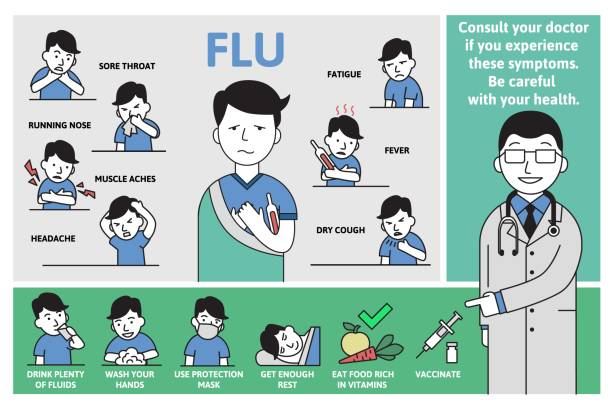
Recognizing flu symptoms early can make a big difference in treatment and recovery. Watch out for:
- Fever or chills
- Cough and sore throat
- Runny or stuffy nose
- Muscle or body aches
- Fatigue and weakness
- Headaches
- Vomiting and diarrhea (more common in children)
If you experience severe symptoms, such as difficulty breathing, persistent chest pain, or confusion, seek medical attention immediately.
Causes of the Flu
The flu spreads primarily through respiratory droplets when an infected person coughs, sneezes, or talks. You can also catch it by touching surfaces contaminated with the virus and then touching your eyes, nose, or mouth. Seasonal changes, crowded environments, and weakened immune systems all contribute to the spread during flu season in the US.
How to Prevent the Flu
Preventing the flu starts with simple, effective habits:
- Get Vaccinated
The flu vaccine is your first line of defense. It reduces your risk of infection and protects those around you. - Practice Good Hygiene
Wash your hands frequently with soap and water. Use hand sanitizer when soap isn’t available. - Avoid Close Contact
Stay away from people showing flu symptoms. Avoid touching your face, eyes, and nose. - Disinfect Surfaces
Regularly clean high-touch surfaces like phones, keyboards, and doorknobs. - Maintain a Healthy Lifestyle
Eat a balanced diet, exercise regularly, and get enough sleep to strengthen your immune system.
Who is Most at Risk?
While anyone can get the flu, certain groups are more vulnerable:
- Young children
- Adults over 65
- Pregnant women
- People with chronic health conditions, such as diabetes or heart disease
Taking preventive measures early in the season is essential for these populations.
When to Seek Medical Care
Seek immediate medical attention if you experience:
- Shortness of breath or difficulty breathing
- Persistent chest pain or pressure
- Severe or persistent vomiting
- Confusion or dizziness
- Flu symptoms that improve but then return with fever and worse cough
Early intervention can prevent complications and speed recovery.
Total Family Care: Your Partner This Flu Season
Don’t wait for flu season to take a toll on your health. At Total Family Care, we provide trusted guidance, vaccinations, and comprehensive care to help you and your family stay healthy throughout the flu season.
✅ Get Your Flu Shot Today – Protect yourself, your family, and your community.
Visit Total Family Care to schedule an appointment or learn more about staying flu-free this season.