High blood pressure is often called a silent condition. Most people with it feel completely fine, sometimes for years, while the extra force on their arteries quietly raises the risk of heart attack, stroke, and kidney disease. Nearly half of adults in the United States have high blood pressure, and many do not know it. The only reliable way to find out is to have it checked.
Why High Blood Pressure Often Goes Unnoticed
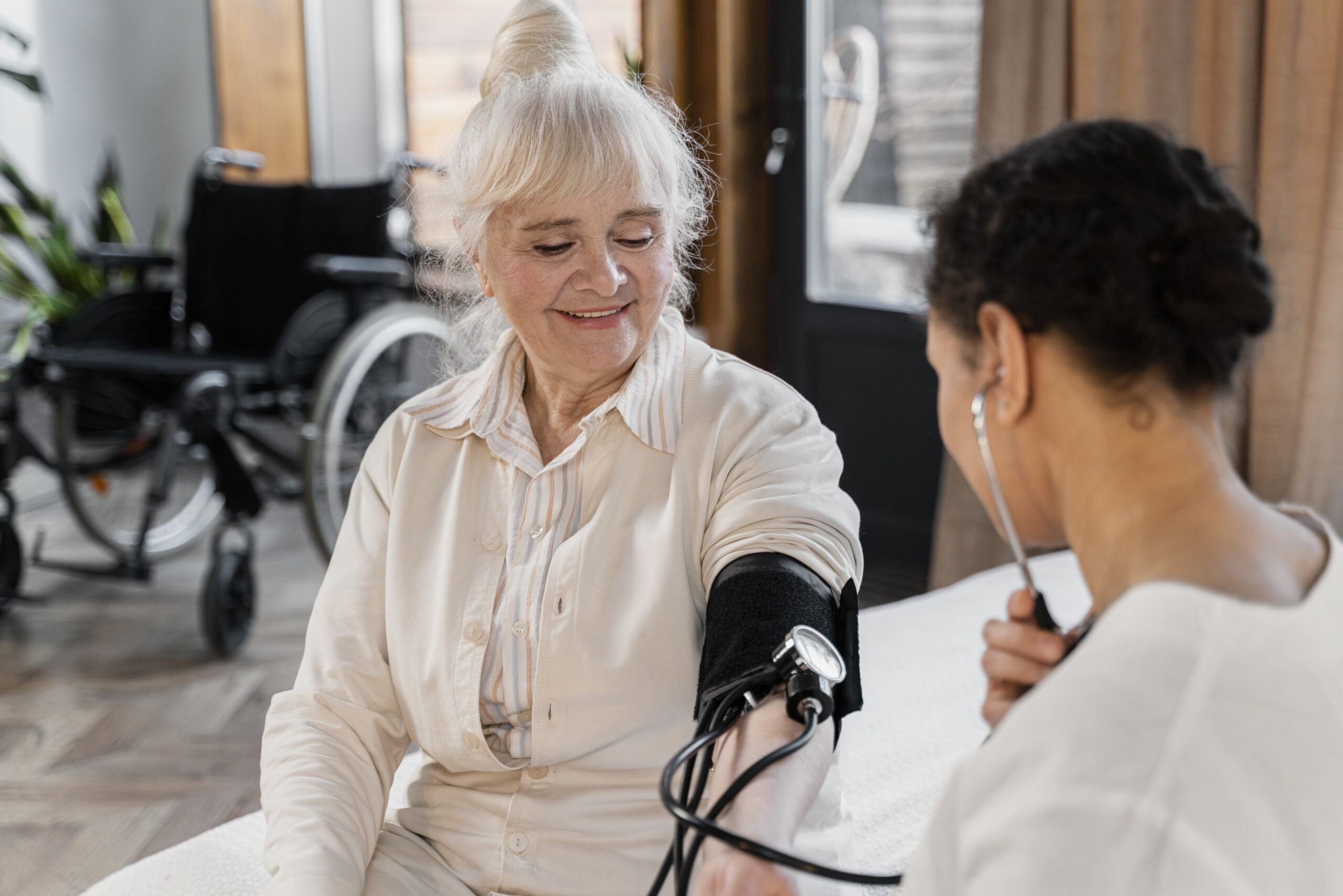
Headaches, dizziness, and nosebleeds are often blamed on high blood pressure, but they are not reliable signs, and most people with high blood pressure have none of them. Because there is rarely a warning, regular screening is how it gets caught. That is why checking your blood pressure is a basic part of preventive care, even when you feel well.
When to Get Checked
Blood pressure is checked at most primary care visits, and many guidelines suggest that adults be screened regularly. How often depends on your age and risk. Adults with normal readings and no risk factors may be checked every few years, while adults 40 and older, and anyone at higher risk, are generally advised to be checked at least once a year. Your provider can tell you how often is right for you. Your risk is higher if you:
- Have a family history of high blood pressure
- Are living with excess weight, diabetes, kidney disease, or sleep apnea
- Smoke, drink heavily, or eat a diet high in sodium
- Are not physically active
If you cannot remember your last reading, an appointment with an internal medicine doctor is a simple place to start.
Understanding Your Numbers
A blood pressure reading has two numbers, written like 120/80 and measured in millimeters of mercury (mm Hg). The top number is the pressure when your heart beats, and the bottom number is the pressure between beats. Current guidelines from the American Heart Association and the American College of Cardiology group readings like this:
| Category | Top number (systolic) | Bottom number (diastolic) |
| Normal | Less than 120 | and less than 80 |
| Elevated | 120 to 129 | and less than 80 |
| Stage 1 hypertension | 130 to 139 | or 80 to 89 |
| Stage 2 hypertension | 140 or higher | or 90 or higher |
If your top and bottom numbers fall in different categories, the higher category applies. One high reading does not by itself mean you have high blood pressure. Your provider will look at repeated readings, and may ask you to check at home, before making a diagnosis.
What Treatment Looks Like
Treatment is based on your readings, your overall health, and your risk of heart disease and stroke. Your provider will set a target that is right for you. Current guidelines recommend a goal of below 130/80 mm Hg for most adults. Treatment usually has two parts.
Lifestyle changes come first for many people and remain important for everyone. They include cutting back on sodium, eating more fruits, vegetables, and whole grains, staying physically active, limiting alcohol, not smoking, and managing stress and sleep. Losing even a modest amount of weight can lower blood pressure. Total Family Care also offers weight loss and nutrition support, which can help you put these changes into practice.
Medication is added when lifestyle changes are not enough or when your risk is higher. There are several types of blood pressure medicine, and your provider chooses based on your health, any other conditions you have, and how your body responds. Some people need adjustments over time, which is why ongoing follow-up matters.
Monitoring and Follow-Up
Treating high blood pressure is a long-term effort, and regular follow-up is what keeps it working. Your provider will recheck your readings, see how you are responding to treatment, and adjust your plan as needed. Home monitoring with a validated upper-arm cuff can give a fuller picture than office readings alone, so ask your provider whether it makes sense for you and which device to use. Keep a log and bring it to your visits.
Your provider may also order blood and urine tests to check how your kidneys and other organs are doing, and may order an EKG when it is clinically appropriate.
When High Blood Pressure Is an Emergency
A reading of 180/120 mm Hg or higher needs prompt attention. If you also have chest pain, shortness of breath, back pain, numbness or weakness, changes in vision, or trouble speaking, call 911. If you have no symptoms, rest for five minutes and check again. If it is still that high, contact your provider right away.
Get Checked, Even When You Feel Fine
A hypertension treatment clinic can do more than treat a number. It can help you understand your risk, build a plan you can keep, and follow your progress over time. If you are looking for “primary care doctors near me” to start with a blood pressure check, call Total Family Care to ask about scheduling a visit with an internal medicine provider.